What Happened
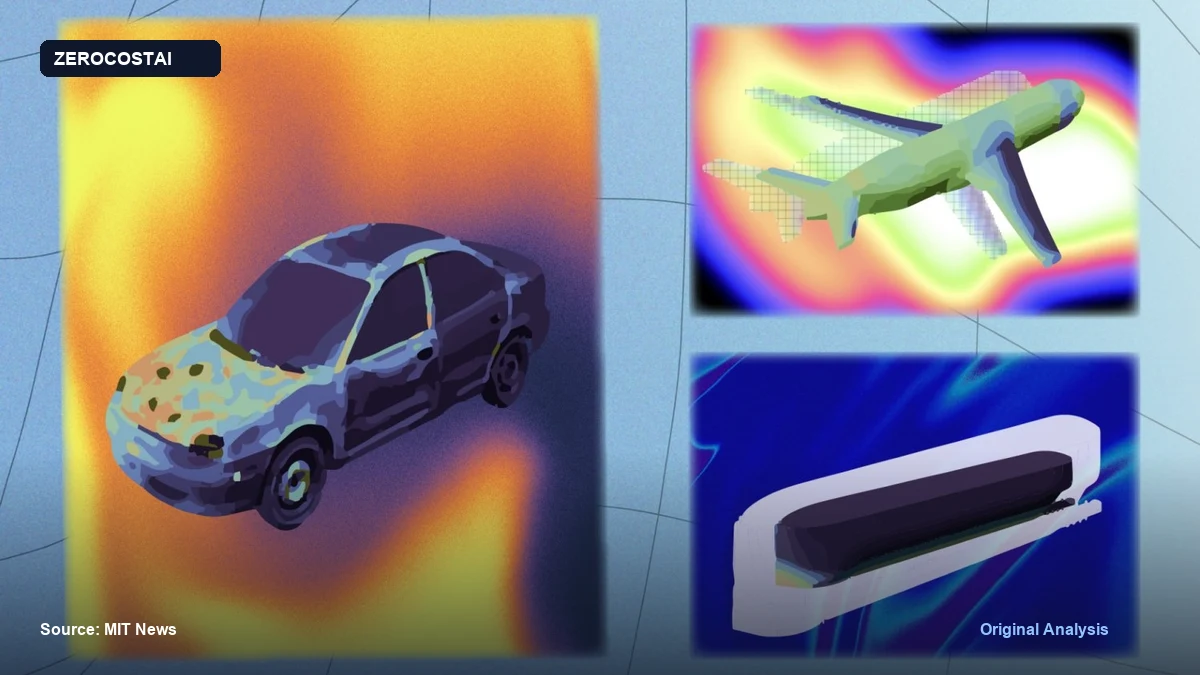
In a notable shift across modern tech workflows, reporting confirms that “GeoPT” helps AI models understand the basics of physics so they can simulate how objects respond to things like wind and water more efficiently and accurately. Engineering teams are closely observing the rollout as providers adjust latency, infrastructure footprint, and user quotas.
Why It Matters
The practical implications for everyday users are substantial. When leading AI architectures enhance their capabilities, the open-source community rapidly responds with alternative models that reduce reliance on costly enterprise subscriptions.
What You Should Know
We recommend testing new model endpoints directly, auditing your token consumption across active workflows, and keeping open-weights alternatives ready on local hardware to prevent vendor lock-in.